

Lower Blepharoplasty in San Jose
Lower Blepharoplasty, or lower eyelid surgery, rejuvenates the lower eyes. The procedure restores a more refreshed, youthful look while maintaining your natural eye shape.

Why Choose Lower Blepharoplasty at Yang Facial Plastic Surgery
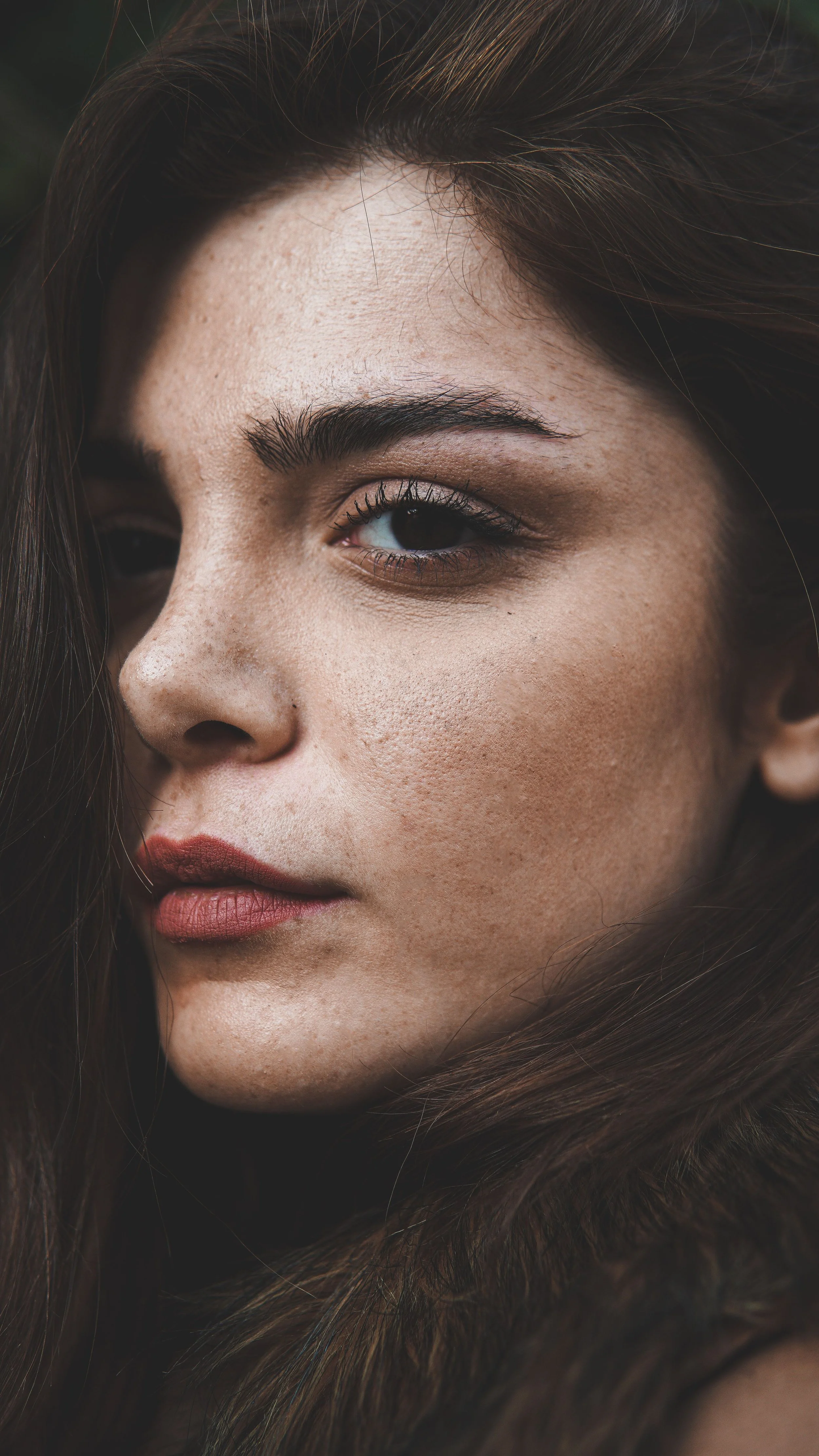
Lower blepharoplasty (lower eyelid surgery) is a facial rejuvenation procedure designed to reduce under-eye bags, puffiness, and excess skin that can contribute to a tired or aged appearance. As the lower eyelids change with age, orbital fat can become more prominent, creating under-eye fullness, while changes in skin elasticity and tissue support can contribute to wrinkles, laxity, and contour irregularities. Lower eyelid surgery addresses these concerns by carefully removing or repositioning excess fat and, when appropriate, tightening or removing redundant skin to create a smoother, more refreshed transition between the lower eyelids and cheeks.
At Yang Facial Plastic Surgery in San Jose, Dr. Chim Yang takes an individualized approach to lower blepharoplasty, evaluating your eyelid anatomy, skin quality, fat distribution, and lower eyelid support. Surgical techniques are selected based on your specific anatomy and aesthetic goals, with an emphasis on preserving natural eyelid contours, maintaining proper eyelid position, and avoiding an overly hollow or operated appearance. The goal is a rested, balanced result that complements your natural facial features.

How it Works
A concealed incision either just below the lower lash line or inside the eyelid, allowing Dr. Yang to remove or reposition excess fat and, when needed, tighten the skin and supporting tissues.
What to Expect
Appointment usually begins with a detailed facial assessment and photos. Dr. Yang will review the surgical techniques to address your specific aesthetic goals and facial anatomy. Surgery is performed under local anesthesia or sedation, and your safety is prioritized at all times.
When You’ll See Results
Most clients notice improvement within 2-3 weeks as the swelling resolves, with full results around 2-3 months.
Frequently Asked Questions
Discover answers to your most pressing questions about our treatments, and the benefits of our advanced therapies at Yang Facial Plastic Surgery.
-
Good candidates for lower blepharoplasty are individuals who have persistent under-eye bags, prominent lower eyelid fat pads, excess skin, or an uneven transition between the lower eyelid and cheek. These changes can create a tired or aged appearance, even when someone feels well-rested.
Lower blepharoplasty is appropriate for patients who are generally healthy, have realistic expectations, and want to improve the appearance of the lower eyelids through surgery. Factors such as skin elasticity, eyelid position, tear trough anatomy, and facial volume are important when determining the appropriate surgical approach.
During consultation at Yang Facial Plastic Surgery in San Jose, Dr. Chim Yang evaluates lower eyelid anatomy and discusses whether surgery alone or a combination of procedures would provide the most balanced result.
-
Transconjunctival lower blepharoplasty involves making an incision on the inside of the lower eyelid to access and reposition or remove excess orbital fat. This approach avoids an external skin incision and is often appropriate for patients with under-eye bags but minimal excess skin.
Transcutaneous lower blepharoplasty involves an incision just beneath the lower eyelashes, allowing the surgeon to address excess skin, muscle, and fat when necessary. This approach may be more appropriate for patients with significant skin laxity or other lower eyelid changes.
The appropriate technique depends on eyelid anatomy, skin quality, and the degree of correction required.
-
Lower blepharoplasty can improve the appearance of certain types of dark circles, particularly those caused by prominent under-eye fat pads, shadows, and contour irregularities.
However, not all dark circles are caused by excess fat. Skin pigmentation, thin skin, visible blood vessels, and volume loss can also contribute to under-eye discoloration.
Depending on the underlying cause, treatment may involve fat repositioning, volume restoration, or other complementary treatments. A careful evaluation is necessary to determine which approach is appropriate.
-
Lower blepharoplasty is intended to create a more rested and refreshed appearance while preserving the natural shape and character of the eyes.
The goal is generally to improve under-eye bags, skin laxity, and contour irregularities without creating an operated or unnatural appearance. Maintaining appropriate lower eyelid support and avoiding excessive fat removal are important considerations during surgery.
Dr. Yang evaluates eyelid position, skin elasticity, and lower eyelid support to develop an individualized surgical plan.
-
Most patients can resume many routine activities within approximately 1–2 weeks following lower blepharoplasty. Swelling, bruising, and temporary tightness around the eyes are common during the initial recovery period.
Bruising generally improves over the first 1–2 weeks, although residual swelling may take several weeks or longer to resolve. Patients undergoing more extensive lower eyelid surgery may require additional recovery time.
Strenuous exercise and activities that increase pressure or strain should be avoided until cleared by the surgeon.

We Can’t Wait to See You
Your face deserves expert care and a treatment plan that feels made for you.
Let’s take the next step together.